This post has been a long time coming. I have wanted to write about my family history on both sides for years now. I interviewed several of my aunts and uncles, but I didn’t write anything or complete all of the interviews. When I was in high school, I interviewed my grandma (on my mother’s side) about her life and how her family came to America. I wrote a story about it, gave it to her as a gift, and it hung on her wall until we sold her house after she passed away five years ago. I knew her story, but I never really knew my dad’s parents’ story. I had heard bits and pieces over the years, but I wanted to document it and find out all I could before one day it was too late. I found out more information than I thought I would, with old documents I couldn’t believe I could find. Yet, there are still many missing pieces of the story we will never know because my grandparents never shared them before they passed. Without further ado, the Zlotnik Family History:
I work at a Jewish museum in the Holocaust Education Center. I work with survivors of the Holocaust who share their stories with school groups and adults. Holocaust education is so important, especially now with the rise of antisemitism.
I am also a descendant of Holocaust survivors, which makes my work even more meaningful. My grandparents on my dad’s side were born in Poland. They had horrible, traumatizing experiences during WWII. I’m writing this today to share what I know of their lives so that their memory stays alive for my son, my nieces, and future generations of my family.
Growing up, I learned about the holocaust in school and from reading books like Number the Stars and The Diary of Anne Frank. When I was nine years old, my family traveled to Washington, D.C., and we visited the National Holocaust Museum. That was the first time I saw pictures of the atrocities that occurred in the concentration camps against the Jewish people and other minorities. It was eye-opening and hard to digest. I remember looking at the giant piles of shoes the Nazis collected from the people in the camps and feeling so sad and horrified. Luckily, my grandparents were able to leave Poland and escape death camps.
I’ve always wanted to write about my family’s history, especially on my Dad’s side. Working at the Jewish museum and hearing Holocaust survivors’ firsthand stories of what they went through makes me want to share even more.
Unfortunately, my grandparents didn’t share much about their time during WWII. We don’t know much about what they went through. It was too hard and too painful for them to talk about. But, here’s what I do know:
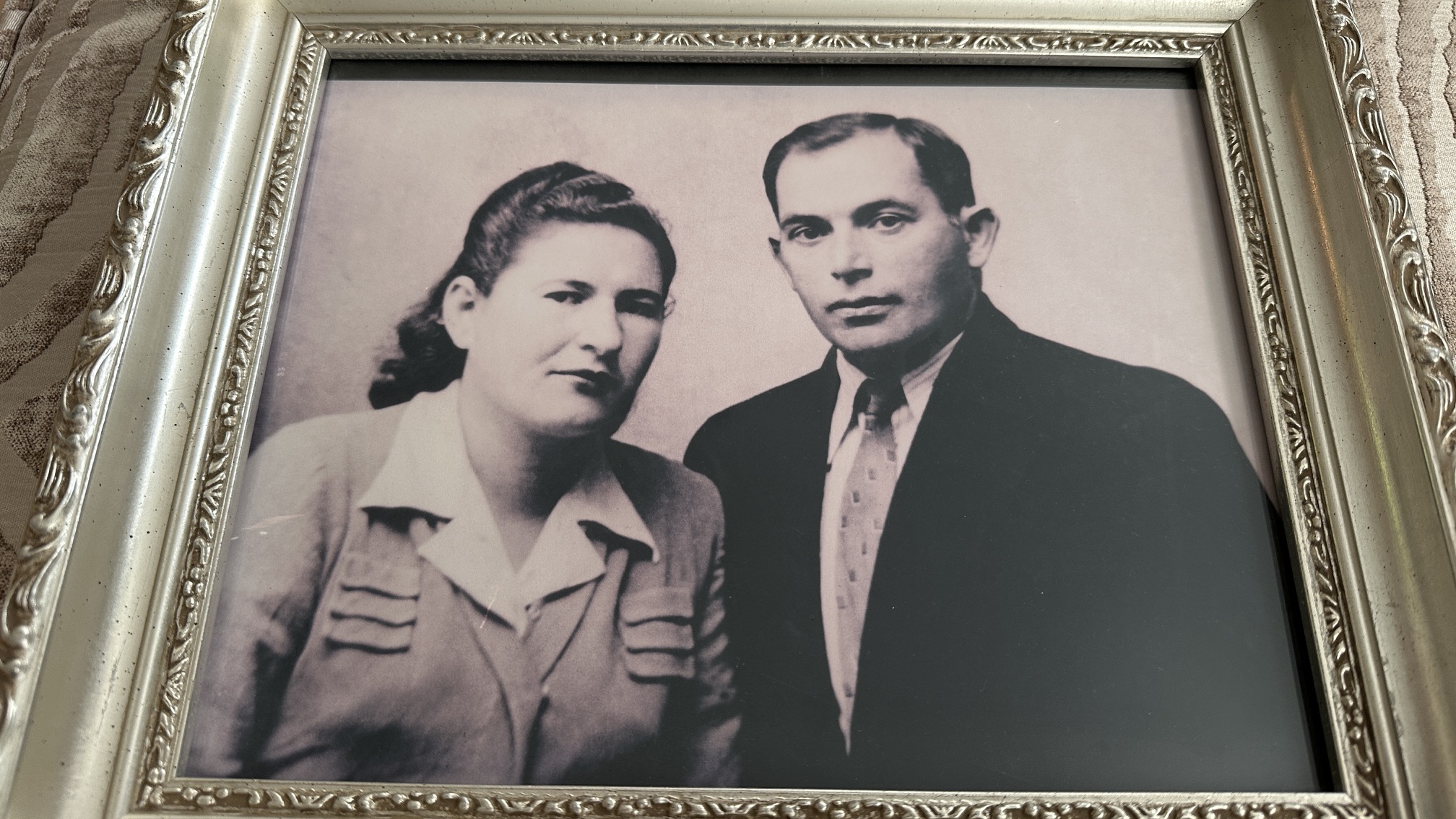
My Grandma Regina Zlotnik was born in Dabrowa, Poland, in 1917. She was born Rywa and later changed her first name to Regina. Her maiden name was Czerner. Grandma lived in a shtetl and lived a peasant-style life. She worked as a seamstress in Poland. My grandma was quite a character! She loved being the center of attention. Grandma was very nice to me. She loved my blonde hair when I was little. She only had a fourth-grade education, yet she managed to speak numerous languages during her lifetime. Unfortunately, her communication skills never translated well when it came to spelling. Sometimes we would get funny cards and notes from her, where she signed her name: Love, Mom, and “Dead.”
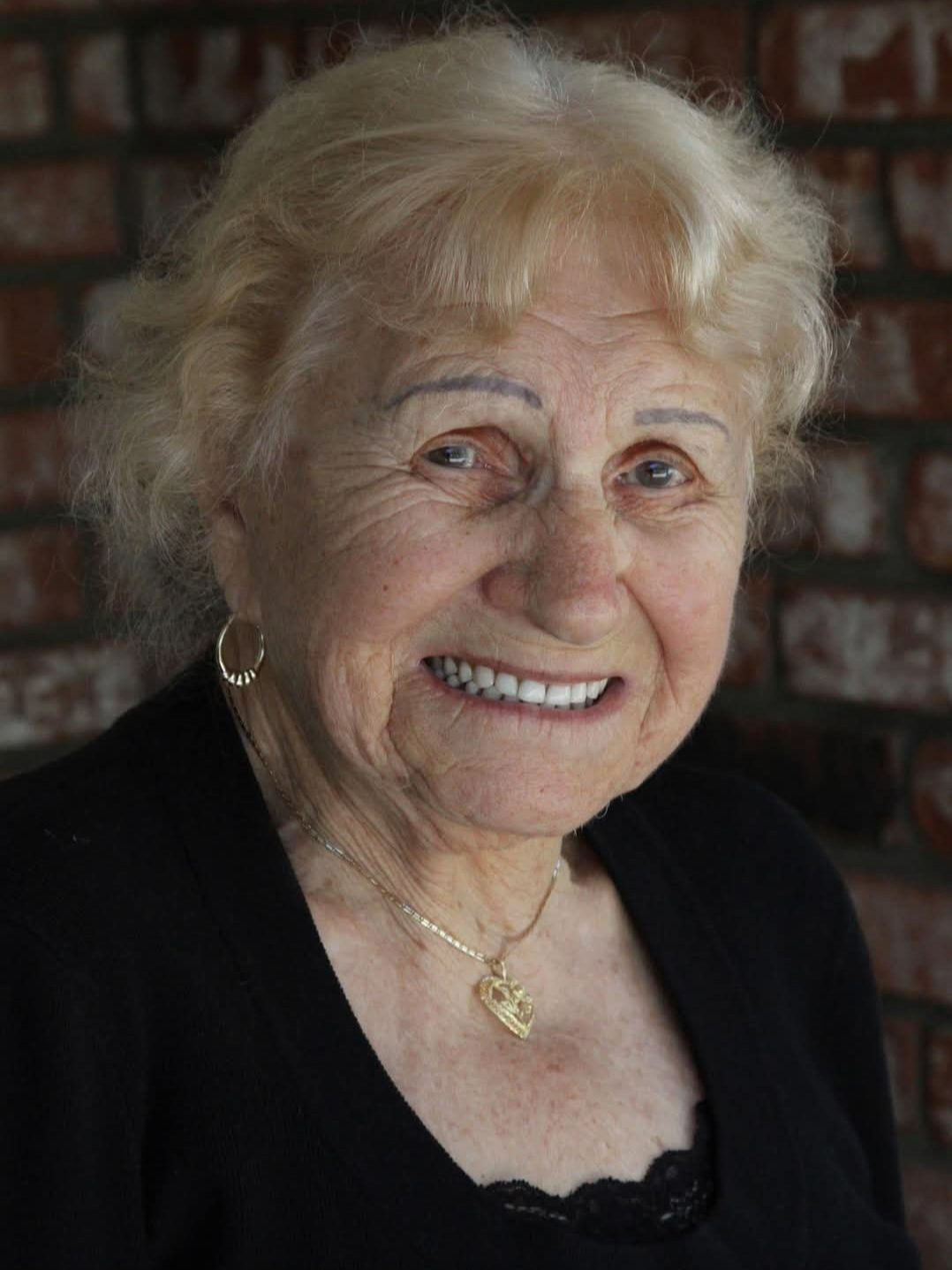
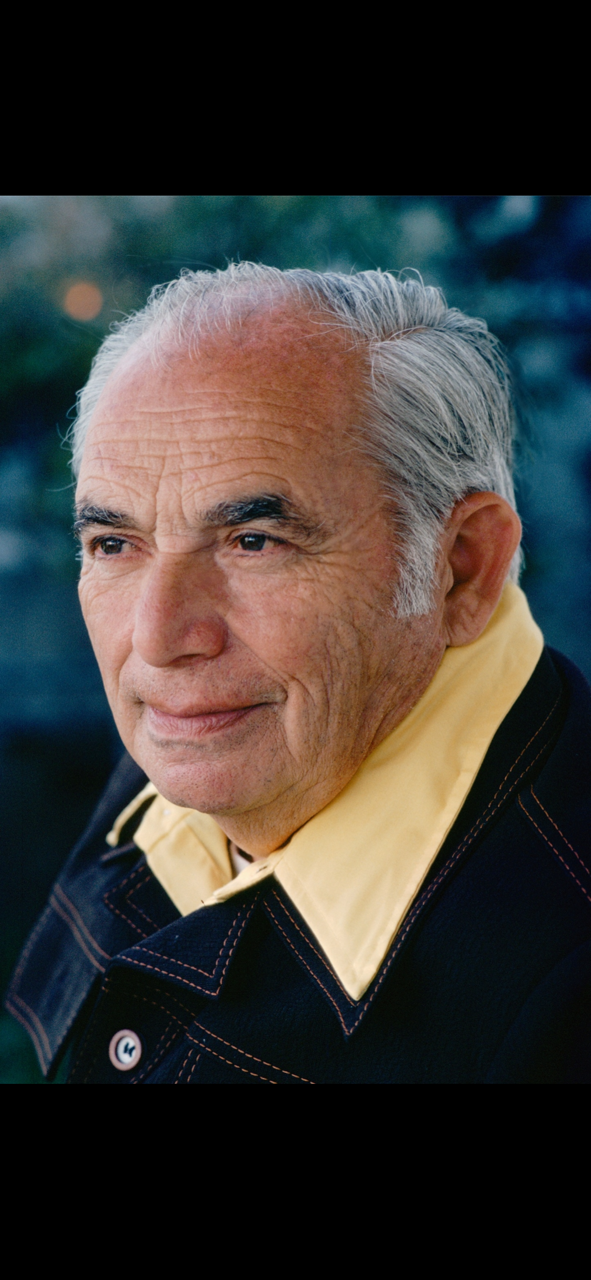
When she was in her 90s, she suffered from dementia. She then told my Dad about her family in a photograph on the wall in her house. She shared with him which family members had died in the Holocaust, and we have it on video. This is about the time we found out she was in a work camp in Siberia. She had never shared this until then. The memories were too painful.
Grandma Regina, her younger brother Arye Czerner, and her cousin Saul Kozak were the only survivors of their family. Saul was in 5-6 different work camps. After the war, Saul married his wife Rachel. Arye, my Great Uncle, married his wife Hanka. After coming to America, their last name changed to Cherner, and they had several children together.
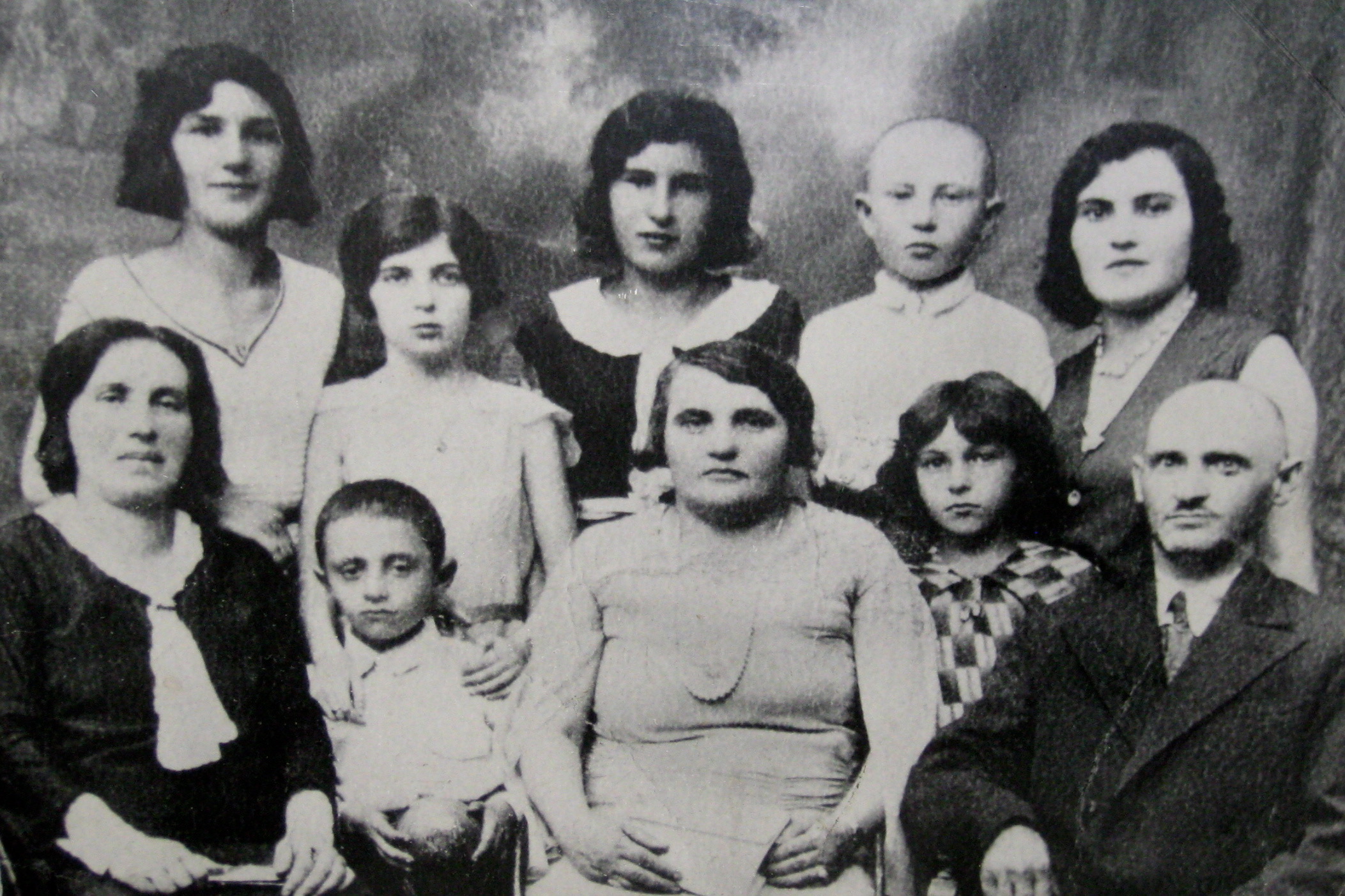
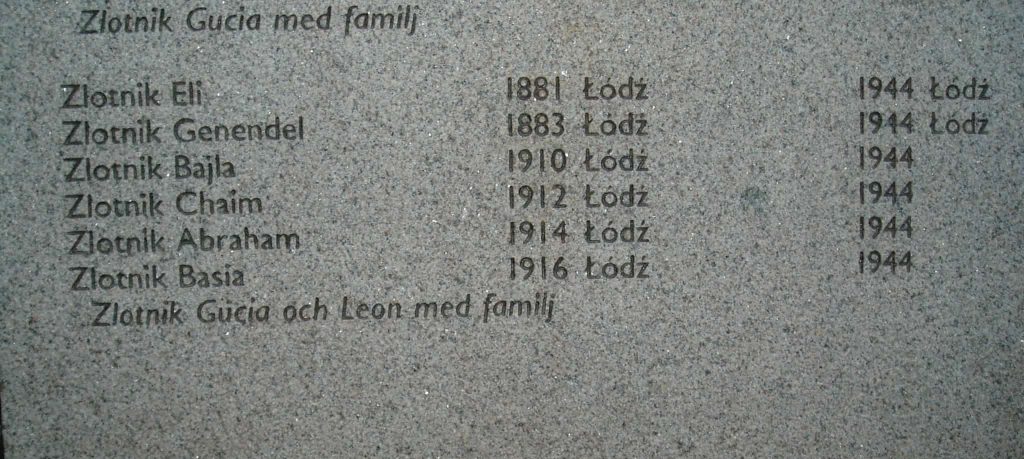
My Grandpa Nathan Zlotnik (or as we called him, Natie) was born in Lodz, Poland, in 1906. He was born Natan and later changed his name to Nathan. He worked as a shoemaker in Poland. He lost his whole family in the Holocaust. We do not know any more details about it. He would never talk about his family, whom he lost (his wife and two kids). He and his brother Leon were the only survivors in the Zlotnik family. Leon moved to Sweden after the war, and his family still lives in Sweden today. Leon’s wife was named Gucia. My cousin visited Leon’s children in Sweden while she was studying abroad, and they celebrated Passover together. She took this picture of a plaque with our ancestors’ names who perished in the Holocaust. It is displayed at their synagogue in Sweden.
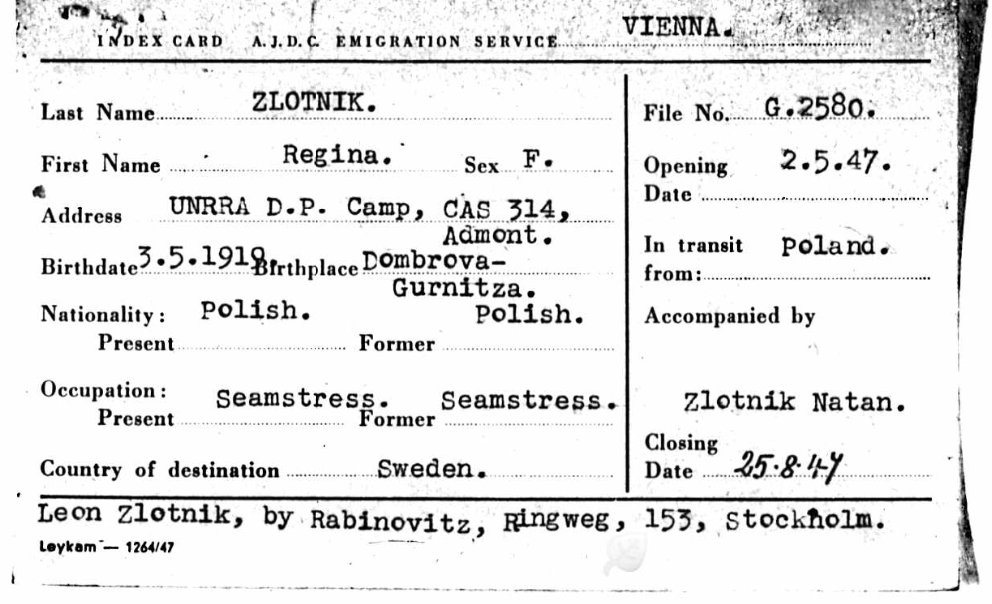
My grandparents met at a displaced persons (DP) camp after WWII. The United Nations Relief and Rehabilitation Administration D. P. Camp, CAS 314, in Admont, Austria, near Vienna. The DP camp housed about 2000 Jews. They arrived in 1945 and stayed for about two years. While researching Holocaust archives, I found these documentation cards for my Grandparents from their time in the DP Camp.
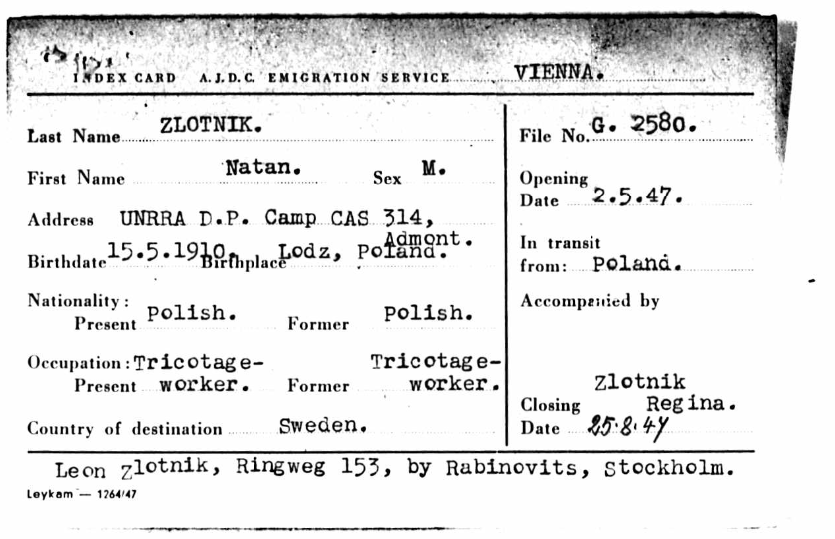
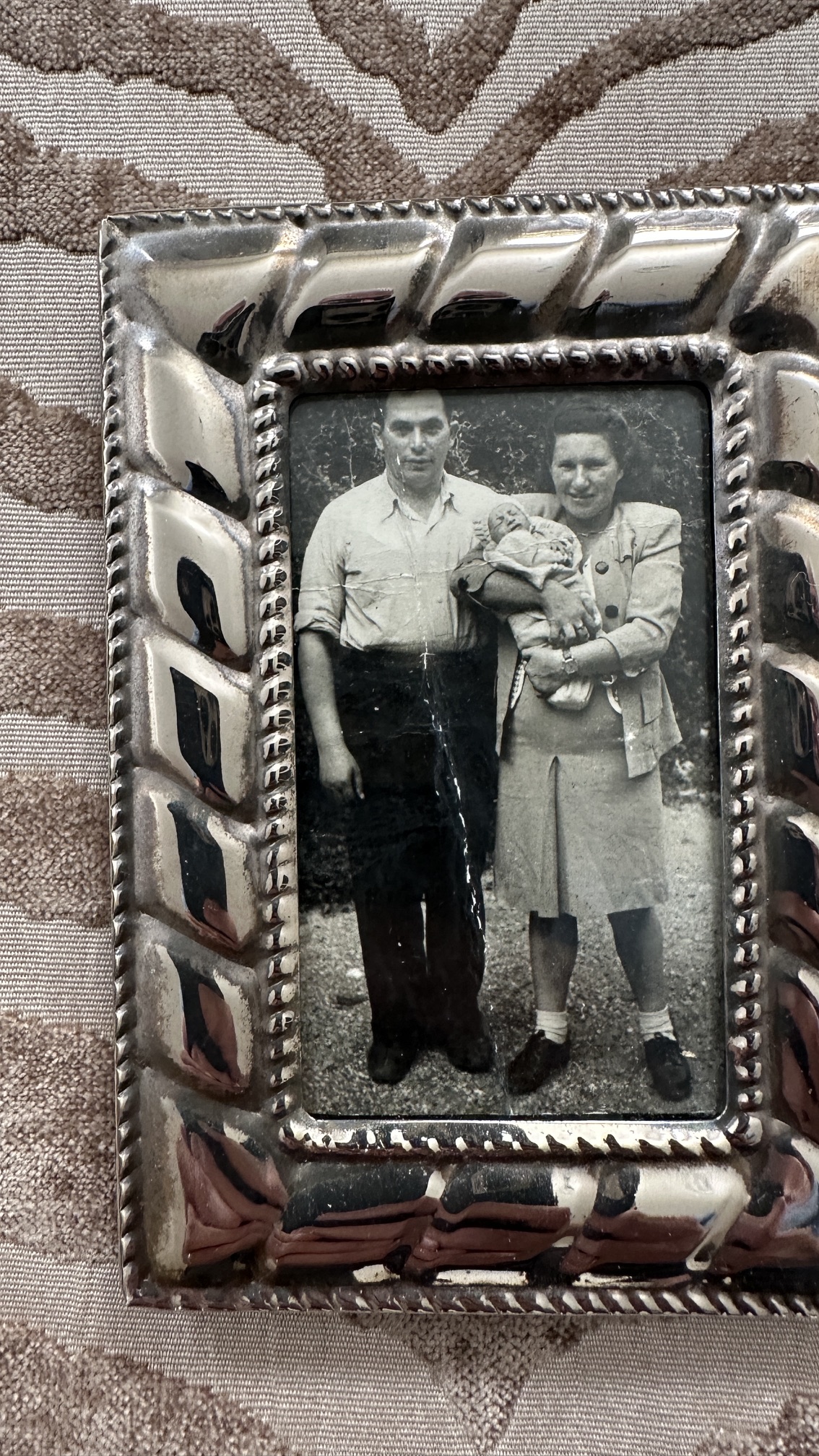
Grandma Regina shared the story of how my grandparents met: Grandpa Natie looked at Regina from across the room. He told her, “You are so gorgeous; we are going to get married. You are going to have my children.” They married and had a baby boy. My uncle was conceived in 1946 and born in 1947 in the DP camp. They moved to Sweden in 1948, where my Grandpa’s brother, Leon, lived and had another son. Then the four of them moved to America in 1953. They arrived in New York and stayed there for about six weeks, living with a sponsor family who took them in temporarily. Jews and survivors from Europe were distributed throughout the United States. The Zlotniks were assigned to live in Indianapolis, Indiana. They moved to Indiana in 1953, where they had my Dad in 1954. In Indianapolis, my grandparents both worked at the same meat-packing factory.
My grandparents didn’t tell my uncles that my grandma was pregnant with my Dad. They didn’t really know they were going to have a little brother. When it came time for my grandmother to go into labor, they sent my uncles to the movies. When they came home, my dad was born. It was a big surprise to them. My dad is 7 years younger than his oldest brother.
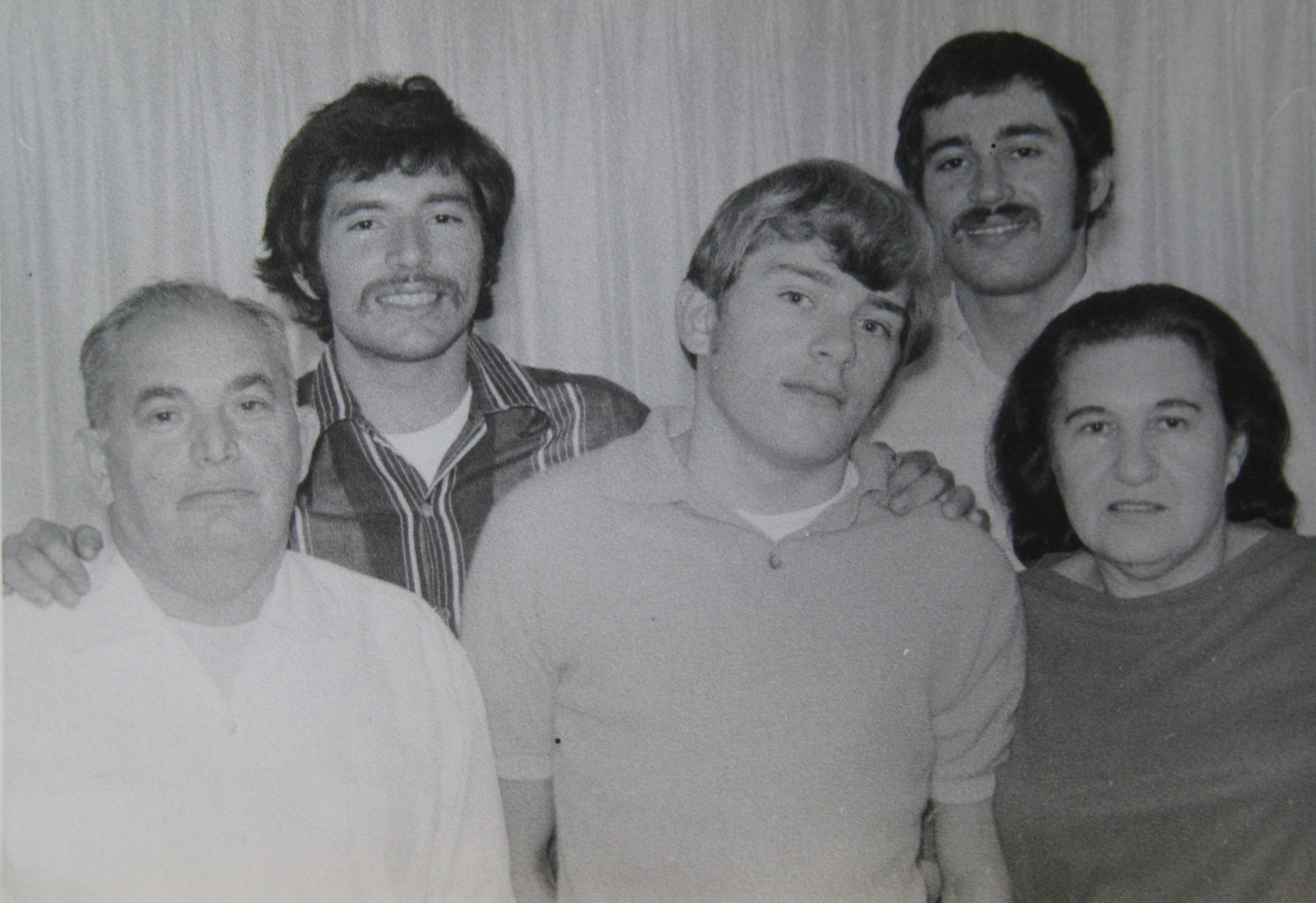
Grandma’s brother, Arye Cherner, and his family were sent to St. Louis. In 1957, the Cherners moved to Boyle Heights, California, a neighborhood in Los Angeles, and the Zlotniks followed. By 1960, both families had moved to the Fairfax Avenue area of West Los Angeles.
After my grandparents moved to Los Angeles, they both got jobs in the garment industry. Nathan worked at a weaving place making clothes on Towne Avenue, in the Skid Row area of LA. Regina worked at a sewing company as a seamstress and made medical uniforms for a company called Barco. They were both hard workers and saved enough money to buy a house and eventually their own business.
My grandparents owned a Hamburger restaurant that they called “the business.” All my life, I knew it as “the business” and only recently learned its name: John’s Drive-In. My Grandparents, my dad, and my Uncles all worked there. It looked like an old McDonald’s with the golden arches. It was purchased from another person who was already running the restaurant on commercial long-term leased property. Nathan and Regina ran the restaurant for about 7 years from 1963 to 1970. When the lease was up, the land owner decided to sell the property. My grandparents could not afford the higher costs and lost the restaurant. Eventually it was torn down, and it is now a gas station. By 1971, Nathan turned 65 and decided to retire.
Today, one of my uncles still lives in California. My other uncle lives in Texas. My parents, brother, and I moved to Georgia (Marietta) in 1991. I was 5 1/2 years old. We still live in Metro Atlanta today.
Living across the country, we didn’t see my grandparents very much. We would visit during the summer, and my grandparents traveled to Atlanta for my brother’s Bar Mitzvah in 1996. I don’t remember much about Grandpa Natie, but he would always sit in his green massaging recliner chair in the living room. He died on April 3, 1997, during our spring break. He lived until age 90. We travelled back to California for his funeral. It was the first funeral I had ever attended. I was 11 years old. I wanted to share nice memories of Grandpa Natie, so I wrote a poem about him and put it in his casket.
The home my Dad’s family lived in was a small 2-bedroom, 1 bathroom house they bought in 1960. My dad and brothers all had to share a room. The house had a galley kitchen, a nice outdoor patio with orange and lemon trees, and a small backyard with a detached garage. They had a lot of trinkets (tchotchkes) in their house and in the dining room. My grandparents built a studio apartment or extension of their house in the 1980s. Grandma had various tenants for many years and made money that way.
I remember that my grandparents always had super old Lifesavers and other “old people” expired candy in their living room. They always served us corned beef sandwiches and had shortbread Dutch cookies in a blue metal tin.
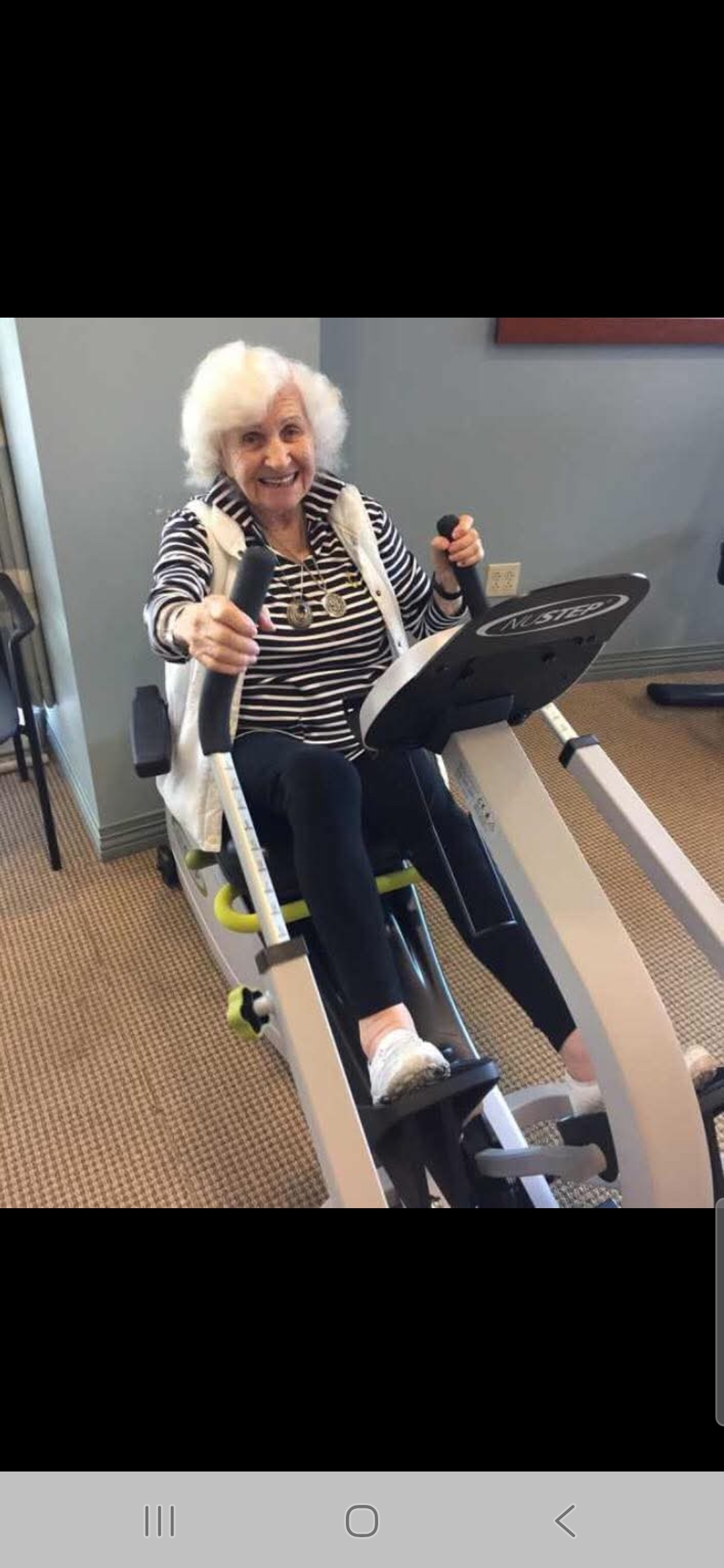
We celebrated my grandma’s 100th birthday in California when my oldest niece was a baby. 100 is quite a milestone birthday! Grandma Regina loved to exercise even at age 101. My cousin submitted a picture of my grandma exercising on her 101st birthday, and it went viral on Reddit. Several publications have published the story in the links below.
https://www.yahoo.com/lifestyle/woman-celebrated-101st-birthday-workout-211849512.html
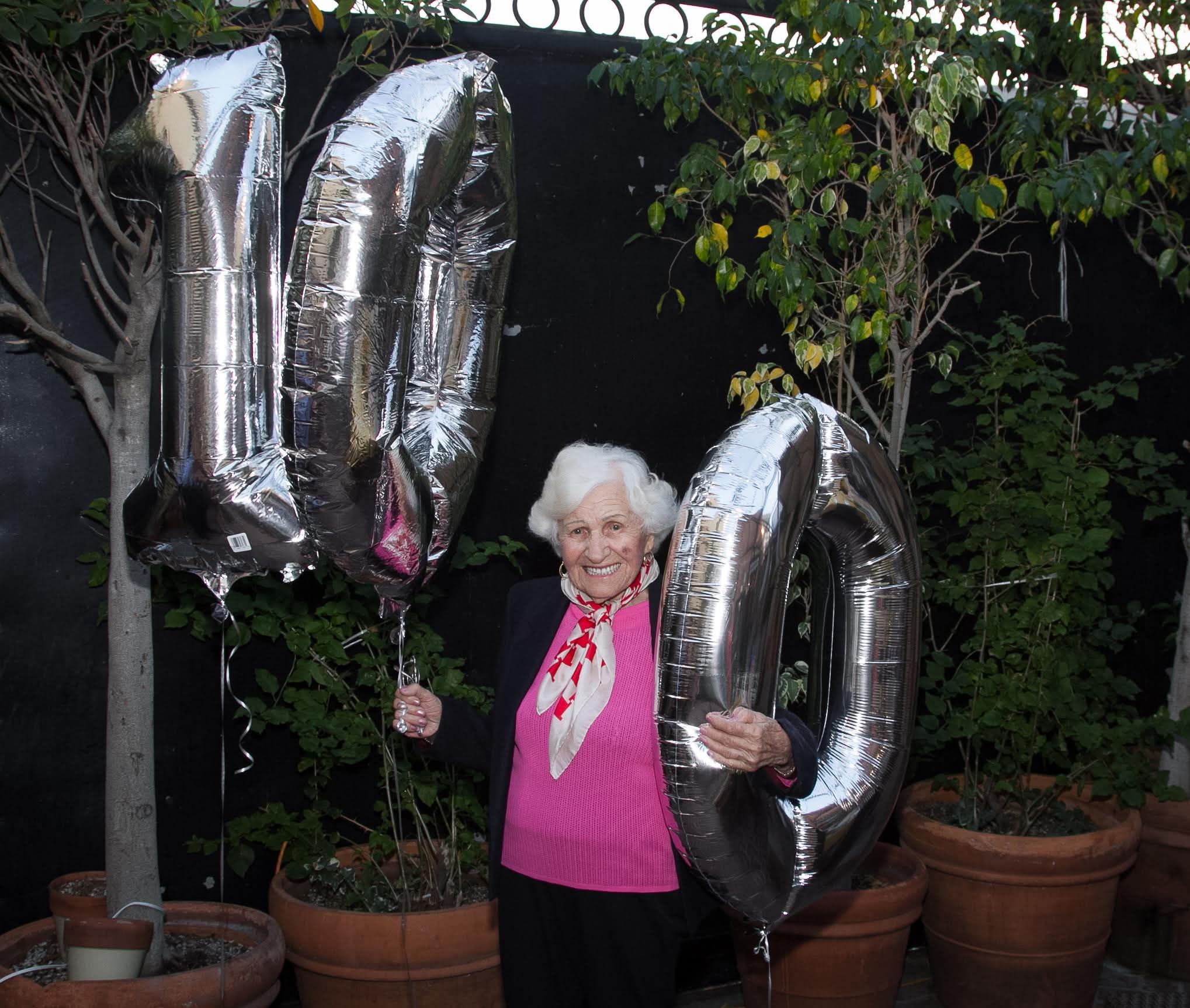
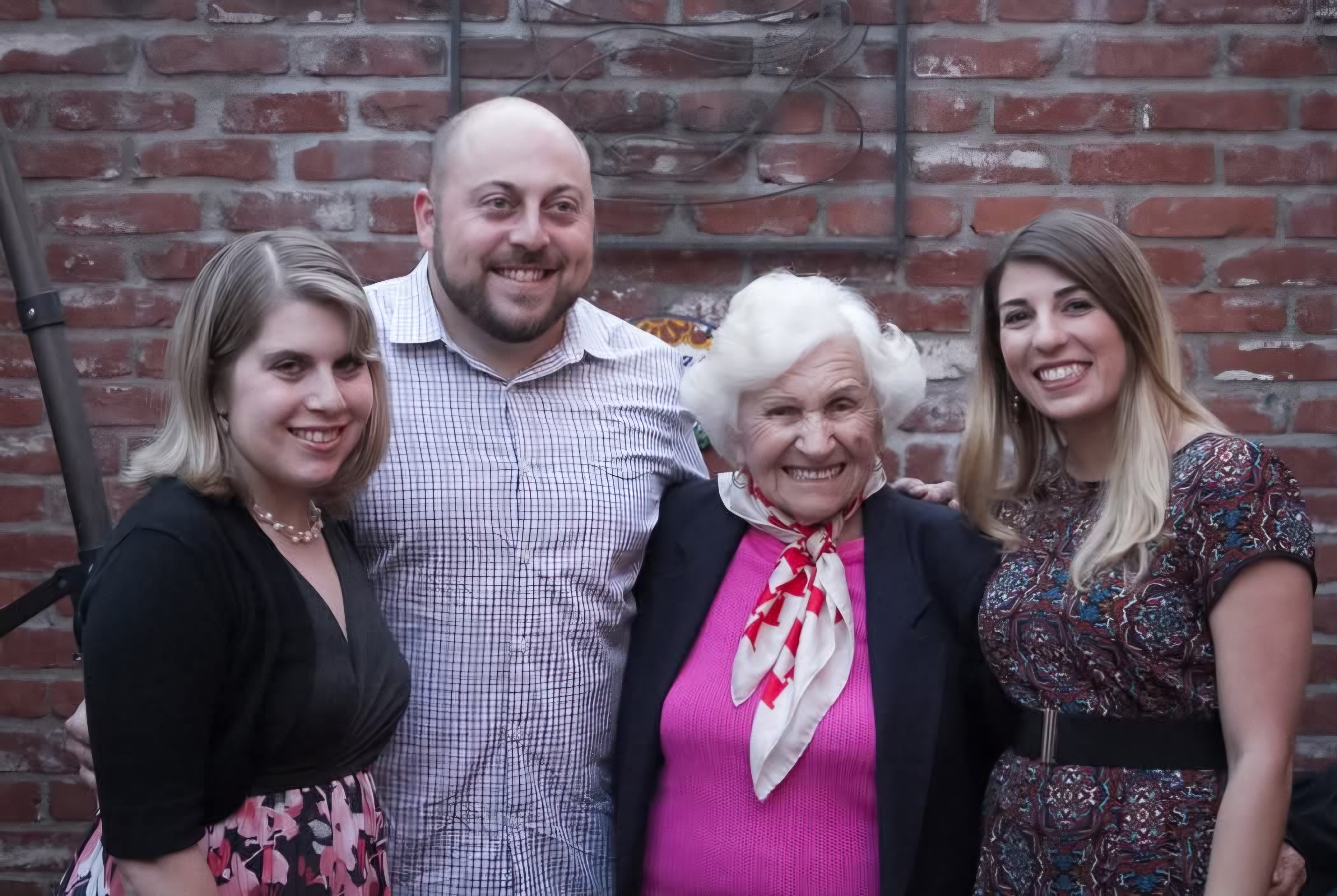
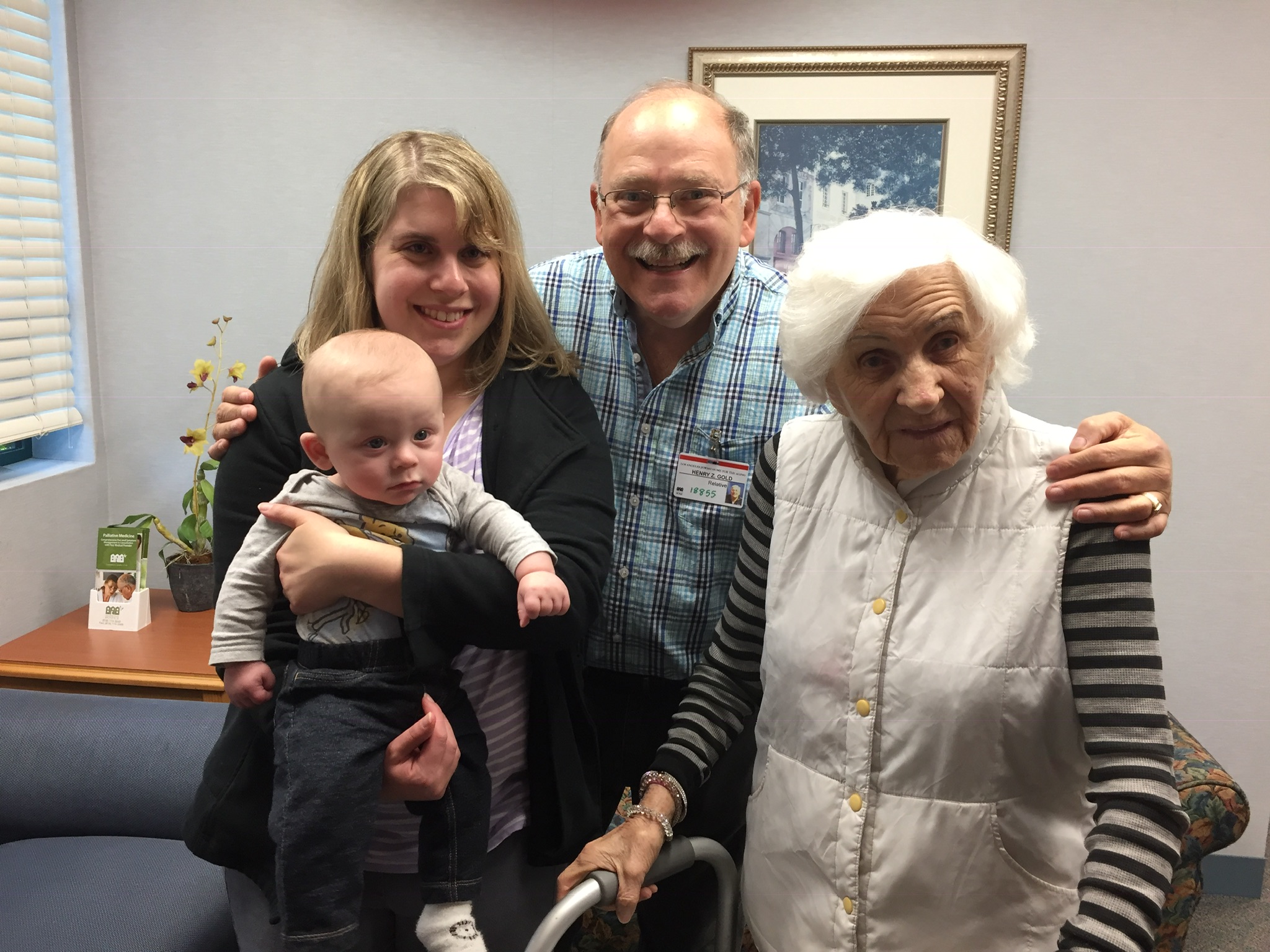
When my son Nathan was 6 months old, he met Grandma while we visited California. We took a 4-generation photo with me, Grandma, baby Nathan, and my Dad. My husband and I named our son Nathan after Grandpa Natie. We told her this, and she pointed up to the sky like she understood that we named our son after him in Heaven. She could not communicate well at the end of her life, so this gesture was extra special. She lived in the Jewish Home for the Aging, where she spent the last three years of her life. She lived to be 103. She died in February 2020, right before COVID hit. Thankfully, my family was able to gather for her funeral. When she died, I wrote her a meaningful letter and put it in her casket.
In third grade, I had an assignment in religious school. I don’t remember exactly what I was supposed to write about, but after that assignment, I had an epiphany. If the Holocaust had never happened, I wouldn’t exist. My grandparents would never have met, and my Dad, Uncles, Cousin, Brother, and I, and our children would have never been born. This was mind-boggling to me. Through the horrors of the Holocaust, I saw a silver lining. May their memories be a blessing.
In 2016, my husband and I went on a group tour to Israel. During our trip, we visited the Holocaust museum Yad Vashem. We looked through all of the exhibits, and I got very emotional when we learned about the DP camps. All I could think about was my Grandparents and what they had experienced before they arrived at theirs. I am thankful I was able to visit Yad Vashem and learn more about the Holocaust. Little did I know that I would learn even more and work with survivors one day.
Hitler did not succeed. I’m proof of that. I urge you to learn more about the Holocaust. Not only what happened, but how it could have happened in the first place. Think about what we can learn from it. Never forget. Never again.